A Sunday roast is one of the few meals where almost nothing can be hidden. The meat is either carved properly or it isn't. The potatoes are either crisp or they aren't. Gravy either tastes of roasting juices or it tastes of powder and hot water. Within about ninety seconds of the plate landing, you know exactly which kind of kitchen you're dealing with — and by then you've already booked, driven out to a village off the A140 and paid a deposit on the table.
That's the argument for doing a bit of judging in advance. Suffolk has excellent roasts and it has roasts that survive on reputation and passing trade, and the difference is rarely visible from a photo on a website. Here's what to look for before you book, and what to check once you're sitting down.
Ask one question when you book: is the roast carved to order? A pub that carves on demand will generally tell you so with a bit of pride. A pub that changes the subject is usually slicing beef at eleven in the morning and keeping it warm under a lamp, which is why it arrives grey at the edges and dry in the middle.
At the table, look at the slice rather than the portion. Beef should be pink through the middle unless you've asked otherwise, and cut across the grain so it gives way under a fork. Lamb should pull apart without sawing. Pork should come with crackling that actually cracks — if it bends, it's been steamed, not roasted. Chicken is the hardest to fake and the easiest to ruin: dry breast, watery juices, skin with no colour.
Portion size is a poor measure of quality. Three thick, properly rested slices beat six thin, tired ones every time. Watch how the carver handles the joint, too; someone who knows what they're doing will slice steadily, keep the meat moist and not drown everything in gravy before you've had a chance to taste it.
Meat costs money, so most pubs buy it reasonably well. Vegetables cost almost nothing, which is exactly why they're the first thing to be cut. Four things tell you most of the story:
Yorkshire puddings deserve their own mention. A good one is tall, uneven, dark at the edges and crisp enough to snap. A tray of identical pale discs that taste of nothing is the clearest evidence you'll get that the kitchen is buying them in frozen.
Gravy should taste of the roast it came with. It should be dark, well seasoned and thick enough to coat the back of a spoon without turning to wallpaper paste. Granules are not a crime in a busy pub kitchen, but a thin, salty, beige liquid poured out in a tablespoonful is a stingy one.
Ask for extra gravy. A kitchen that brings a jug without sighing, or charges nothing for it, understands what a roast is. The same goes for condiments: horseradish with beef, apple sauce with pork, mint with lamb, all offered rather than produced on request or added to the bill. Stuffing should taste of herbs and sausage meat and hold together loosely. A dense, grey slab is padding.
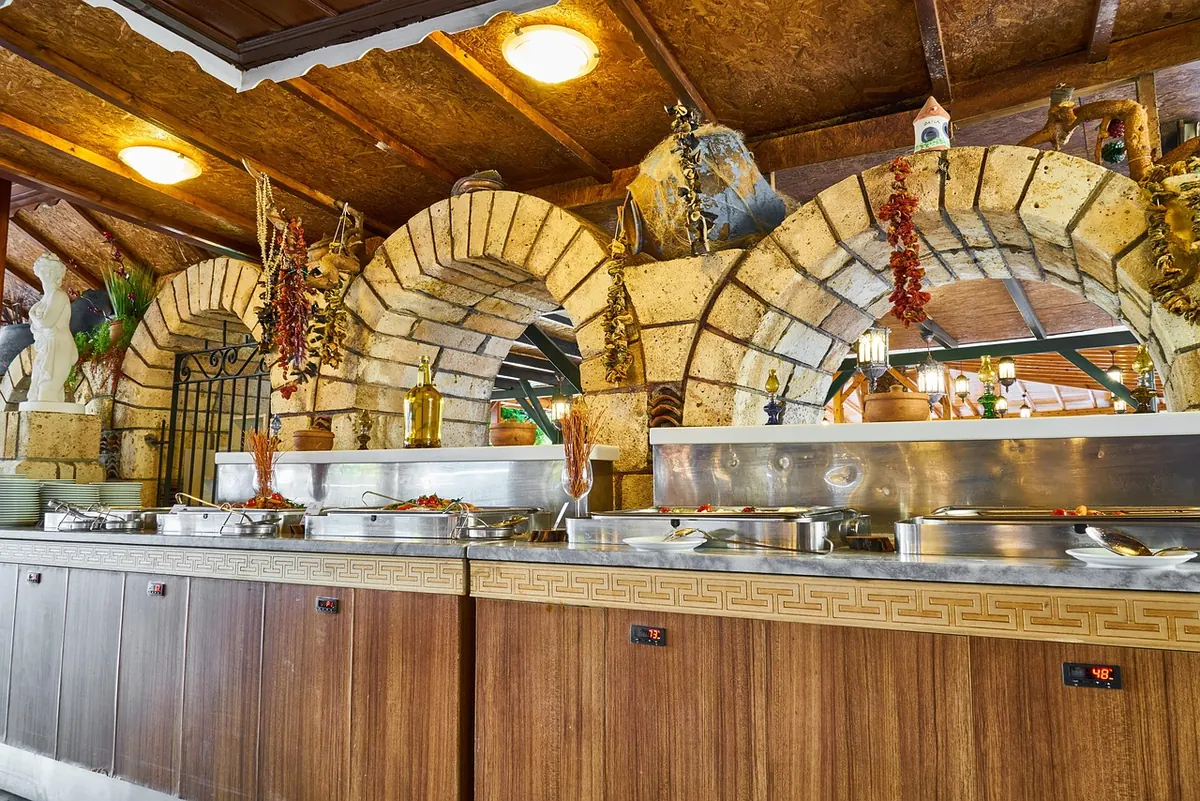
Timing is everything. Book early in the sitting, not half an hour before it closes, when trays are scraped and the meat has been sitting carved. Check whether vegetables are replenished while you're in the queue, whether the hot plates are actually hot, and whether the carver will give you a mix of meats rather than one grudging slice of each. Unlimited vegetables are only a bargain if the vegetables are worth eating twice.
Everything should arrive together, hot, on a warm plate, in sensible proportions — no mountain of potato compensating for two slices of beef. This is also where a kitchen's confidence shows: a plated roast that arrives in under five minutes of ordering was assembled, not cooked.
A good roast can survive a plain dining room, but not a chaotic one. When you book, notice whether you're asked about allergies, told how long the table is yours, or given a sitting time. Sunday lunch is often run in two or three sittings in busy Suffolk pubs, which is fine as long as it's explained rather than sprung on you at 2pm.
Staff should be able to answer two questions without leaving the room: is the beef served pink, and what's in the vegetarian option. Small courtesies count for a lot — water without being asked, a check back after the first mouthful rather than the last, a table that isn't jammed against the next one.
Ring or check the website on a Thursday rather than a Sunday morning. Ask three questions: which meats are on, when the sittings are, and whether the carvery or the plated roast is running that week — plenty of pubs switch depending on the season and how busy they expect to be. Book the first or second sitting if you want the meat at its best.
For groups of six or more, ask how the kitchen handles larger tables, because roast dinners fall apart when twelve plates go out at once. If you have a dietary requirement, mention it at the time of booking rather than on the day, and expect a proper answer rather than a shrug.
Finally, say something at the time if the food is wrong. Cold plates and dry beef can usually be fixed in a minute, and a kitchen that responds well to a polite word is worth returning to. A Sunday roast is not a complicated thing to get right; it just requires someone in the kitchen to care about potatoes, gravy and timing as much as they care about the meat. Find the pubs that do, and Sundays in Suffolk get considerably better.
Photo: Monsterkoi / Pixabay