Two nights in Suffolk have a certain shape to them. You arrive on a Friday evening, the lanes narrow, the light goes soft over the marshes, and by Saturday morning you want nothing more complicated than a decent breakfast and a long walk. What sits between you and that walk is the booking you made weeks ago — and whether you chose a hotel or a bed and breakfast. Both do the job. They do it differently, and those differences matter more on a two-night stay than they do on a fortnight's holiday.
Hotels price by room and by night, and in Suffolk those prices shift with the season and the day of the week. The coast — Southwold, Aldeburgh, Walberswick — tightens up from late spring through September and on Fridays and Saturdays year-round. Inland, Bury St Edmunds, Woodbridge, Lavenham and Long Melford hold steadier, though a wedding or a festival can change that overnight.
B&Bs generally sit below hotel rates for a comparable double, but not by as much as people assume. A well-run B&B in a Georgian townhouse can easily match a mid-range hotel. The comparison only becomes useful once you know what is included. A hotel rate may exclude breakfast and parking; a B&B rate often includes both. Ask for the total, not the headline figure.
Two further things to check before comparing: minimum-night stays, common at B&Bs on weekends and bank holidays, and single supplements, which appear more often in B&Bs than in chain hotels.
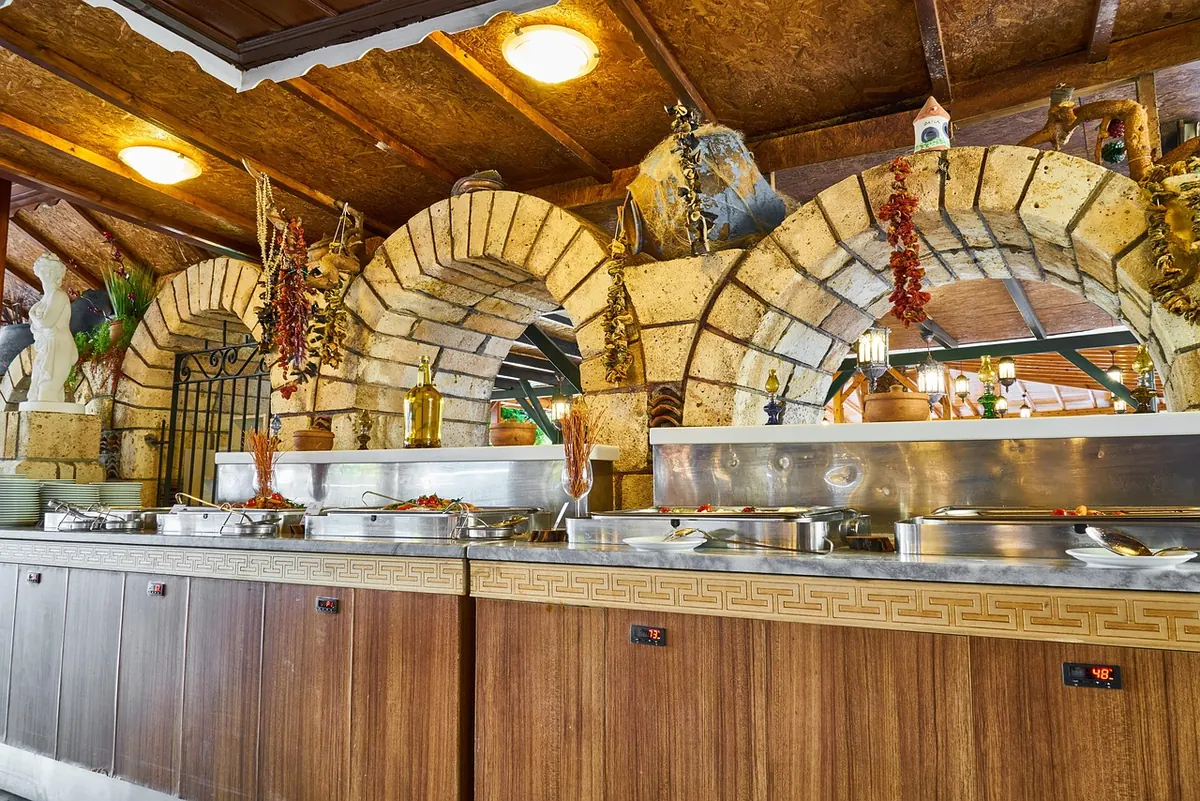
Breakfast separates the two types of stay more obviously than anything else. At a B&B you are usually offered a cooked breakfast to order — sausages, bacon, eggs, mushrooms, tomatoes, toast, proper coffee — served at a set table, often within fixed hours. At a hotel you might get a buffet, a plated cooked breakfast, or nothing beyond a continental tray, depending on the grade of the place and what the rate covers.
Ask three questions when you book:
A B&B serving from eight until nine is delightful when you are on holiday and mildly annoying when you have to be somewhere at half past nine. A hotel that starts breakfast at 6.30 is worth more than it looks.
Hotels are built for coming and going. There is a desk, usually someone about, a bar or lounge, and no expectation that you will speak to anyone. That suits couples who want a quiet dinner and a late return, and it suits anyone arriving on a delayed train.
B&Bs run to a more domestic rhythm. You are a guest in someone's house, even when the house has been arranged around guests. That is often the pleasure of it — a chat over breakfast, a recommendation you would never have found yourself. It also means quieter hours, shared spaces, and sometimes an arrival window that closes in the evening. If you plan to be out until midnight, ask about keys and access before booking. Some B&Bs sidestep the issue entirely with self-contained annexes or converted outbuildings that have their own front door. If that is what you want, say so when you enquire.
Parking sours more short breaks than any other single detail. Market towns and coastal streets were not designed for modern cars, and "parking available" can mean anything from a private space outside your window to a permit for a car park four streets away. Ask specifically, and ask where.
The checklist is short. Run through it every time:
This is where B&Bs usually win, and it is hard to fake. The person cooking your breakfast lives in the town. They know which pub is worth the walk, which beach car park fills by ten, where the footpath floods after rain, and which restaurant needs booking on a Saturday. That kind of guidance is worth real money on a two-night break, when you have no time to waste on a mediocre lunch.
Hotels answer with different strengths: a restaurant under the same roof, grounds to sit in, a spa, a bar that stays open. On a wet Sunday in February, a hotel with a fire and a long lunch menu beats a B&B where you feel you should go out. For a group of friends or a family gathering, a hotel is often simply easier — one booking, one bill, everyone in the same building.
There is no universal answer, but the pattern is fairly predictable. Two nights of walking and pub dinners on a sensible budget points to a B&B. An anniversary, a spa afternoon or a dinner you do not want to drive home from points to a hotel. Arriving late by train favours a hotel near the station. A house party of eight favours a hotel with enough rooms, or a large B&B that will take the whole place.
Two nights with young children is its own case. Look for a hotel with proper family rooms and a relaxed breakfast, or a B&B with a garden and a host who does not flinch at a pushchair in the hall.
Book direct where you can. You will get straight answers on parking, breakfast times and bathroom arrangements, and small places often have more flexibility than a booking site allows. Confirm the total price, the check-in window and the cancellation terms in writing, and ask about minimum stays if you are booking a Saturday.
Then stop optimising. Suffolk rewards a loose plan: one good walk, one long lunch, one afternoon in a town you have not visited before. Whether you sleep in a twelve-room hotel or a three-room B&B matters far less than being out of the car by nine with the whole day ahead of you. Rates and policies change with the season and with the property, so check the details directly before you commit.
Photo: congerdesign / Pixabay