Hotel breakfast is the one meal on a trip you rarely plan for. You choose the hotel for the room, the location or the parking, then find yourself at half past seven standing in a dining room deciding whether the sausages are worth waiting for.
Suffolk covers most of the spectrum. A townhouse in Bury St Edmunds plates up a cooked breakfast to order. A seafront hotel in Southwold puts out a hot counter and a mountain of pastries. A converted barn near Lavenham leaves a continental tray outside your door. Bigger properties along the A14 corridor run the full self-service operation, hot lamps and all.
Comparing them properly means looking past the words "breakfast included" and asking four questions: is it good value, how long will it take, will it fill you up, and can they feed everyone at your table.
Most Suffolk hotels fall into one of three formats, with a fourth hybrid appearing more often each year.
A "Suffolk breakfast" on a menu is usually a full English with local bacon and sausage, sometimes with black pudding, fried bread or bubble and squeak. It tells you the kitchen is making an effort with sourcing, though not necessarily with cooking.
Value depends far less on the food than on how the rate is built. A room that includes a cooked breakfast is often better value than a cheaper room-only rate plus a paid breakfast — but only if you will genuinely be up, dressed and downstairs for it.
A paid buffet you sleep through is the worst-value item in any hotel. If you know you'll be leaving at six, ask whether a grab-and-go bag is available instead, and ask before you book rather than the night before.
Watch the small print. Coffee and juice are usually included, but a second pot, a cooked item added to a continental rate, or a tray charge for in-room service often are not. Buffets feel generous because the choice is wide, but you eat what you take, and a plated breakfast cooked to order is frequently better on the plate even when it looks smaller on the menu.
If you have a train from Ipswich, a ferry at Harwich or a long drive ahead, timing matters more than anything else on this list.
A cooked-to-order breakfast typically takes fifteen to twenty-five minutes from ordering to eating, longer when the dining room fills at nine. A buffet is five to ten minutes: you queue, you sit, you eat at your own pace. Continental is the fastest of the three, and a grab-and-go bag is faster still.
Three habits help. Check the serving times before you book — many hotel breakfasts start at seven or half past, which is too late for an early start. Ask reception to note your preferred sitting time when you check in. And if you want a cooked breakfast and an early departure, order it the night before if the hotel offers that option.
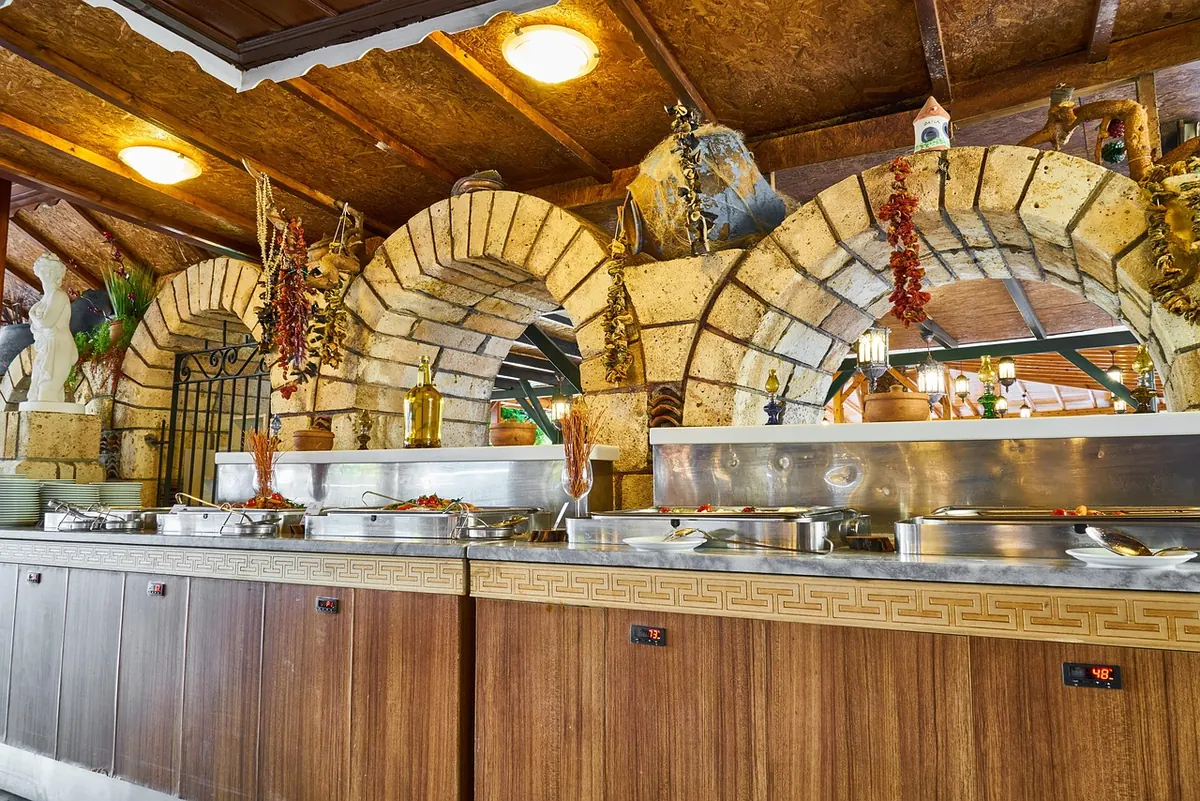
Buffets suit big appetites, families with children who change their minds, and anyone who wants to build a plate of exactly what they like. The trade-off is that food sitting under a lamp for an hour tastes like food sitting under a lamp for an hour.
A plated full English is portion-controlled but usually well judged: two rashers, a sausage, an egg, tomato, mushrooms and toast will carry most adults to a late lunch. Continental breakfasts are the lightest and rarely hold anyone past mid-morning, which is fine if you're heading straight to a café in Woodbridge and less fine if you're walking the coast path.
A practical note: unlimited buffets encourage a second plate you don't need. A short walk afterwards, along the seafront or around the abbey gardens, does more for how you feel than skipping the toast would have.
This is where breakfast formats genuinely differ, and where a little preparation pays off.
A plated breakfast is easier for the kitchen to adapt, because someone is cooking for you rather than you serving yourself. Buffets are the riskier option for anyone with a serious allergy, since utensils, tongs and toasters are shared and cross-contact is hard to control.
Vegetarians can usually build a decent plate from egg, beans, tomato, mushrooms and toast, but it's worth asking whether the sausages are meat-free and whether they're cooked separately. Vegan guests should check the fat used for frying, the spread on the table and whether the plant-based option is cooked on the same griddle as the bacon. Gluten-free breakfasts usually hinge on bread — ask the night before so the kitchen can source or defrost something suitable rather than improvising at eight in the morning.
For coeliac disease, severe allergies or any medical dietary requirement, contact the hotel in advance, be specific about cross-contamination, and take advice from your own clinician about what is safe for you. Most Suffolk hotels handle this well when given notice; few handle it well when asked at the table.
A slow weekend with nothing booked calls for the plated full English, eaten properly with a second cup of coffee. An early train or ferry points to continental or grab-and-go, ordered in advance. Families and groups with mixed tastes are almost always better off at a buffet, where nobody has to negotiate. And if you're cycling or walking in the Suffolk countryside, eat more than you think you need — the first hill will thank you.
Whichever you choose, the tell is rarely the bacon. It's whether the coffee is drinkable, whether the toast arrives warm, and whether anyone asked how you slept. Those things cost the hotel almost nothing and are the clearest sign of a kitchen that cares.
Photo: Engin_Akyurt / Pixabay